Webinars, decision stories from real practices, and the editorial work behind how we classify every vendor. No vendor blasts — just what helps you make the call.
AI Receptionist for Dental Offices: 3 Vendor Types, Decoded
An AI receptionist, a VoIP phone system, and an all-in-one platform can look almost identical on a website — and do completely different jobs once the phone actually rings.
Dental Insurance Verification Software: 5 Vendor Types, Decoded
Dental insurance verification software comes in five very different forms — and the label on a vendor's website rarely tells you which one you're actually buying.

Dental Office Scams: A Front-Desk Playbook
Give dental front-desk teams a practical playbook to recognize scams, verify unexpected requests, and respond safely after a click, payment, or data disclosure.
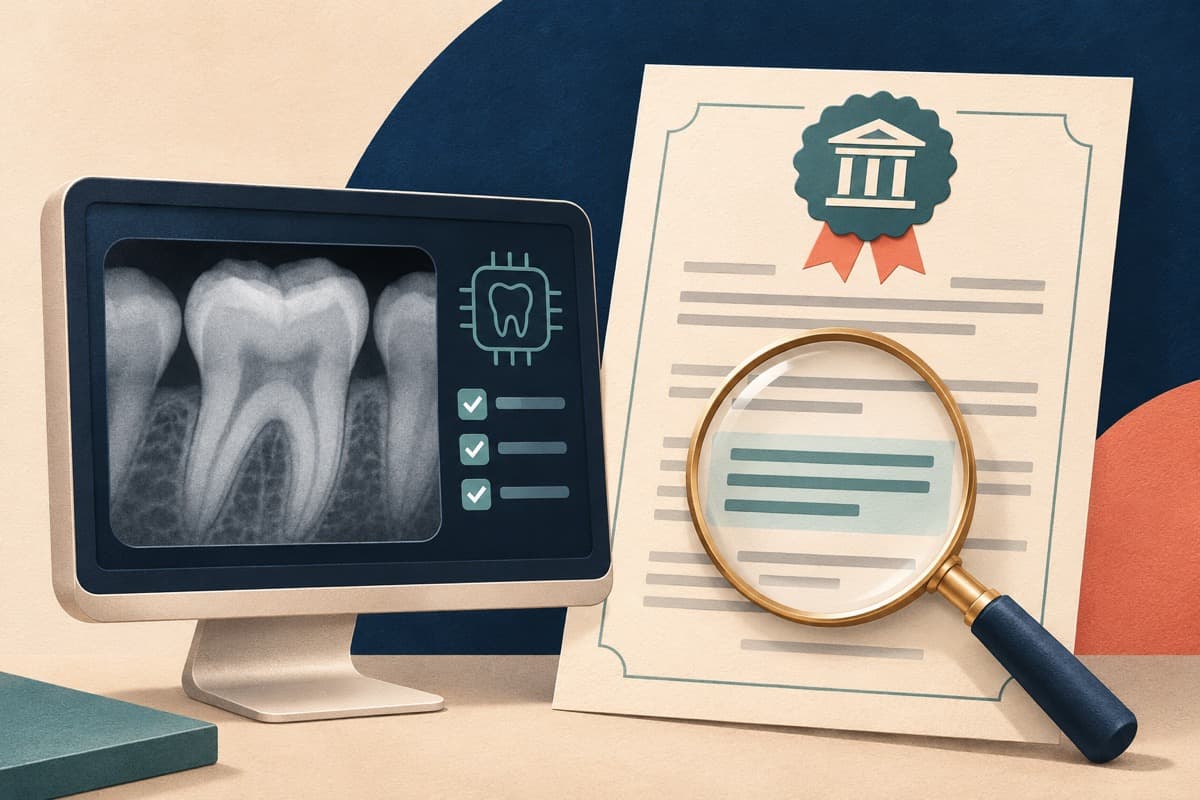
What Does FDA-Cleared Mean for Dental AI?
Learn what FDA 510(k) clearance establishes for dental radiograph AI, what it does not prove, and how to check a product's intended use and limits.
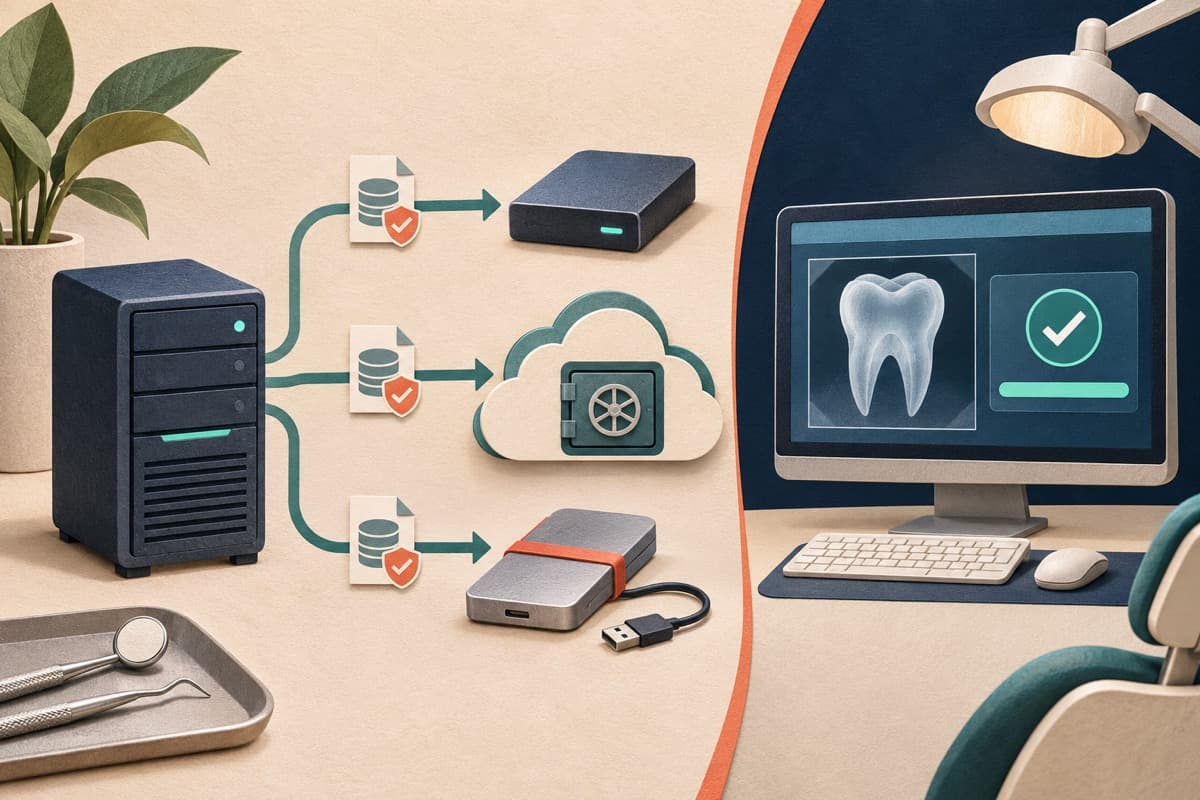
Dental Office Backup and Restore: What Your Practice Actually Needs
Build a recoverable dental office backup plan with separate copies, offline protection, restore tests, imaging coverage, server recovery, and downtime steps.
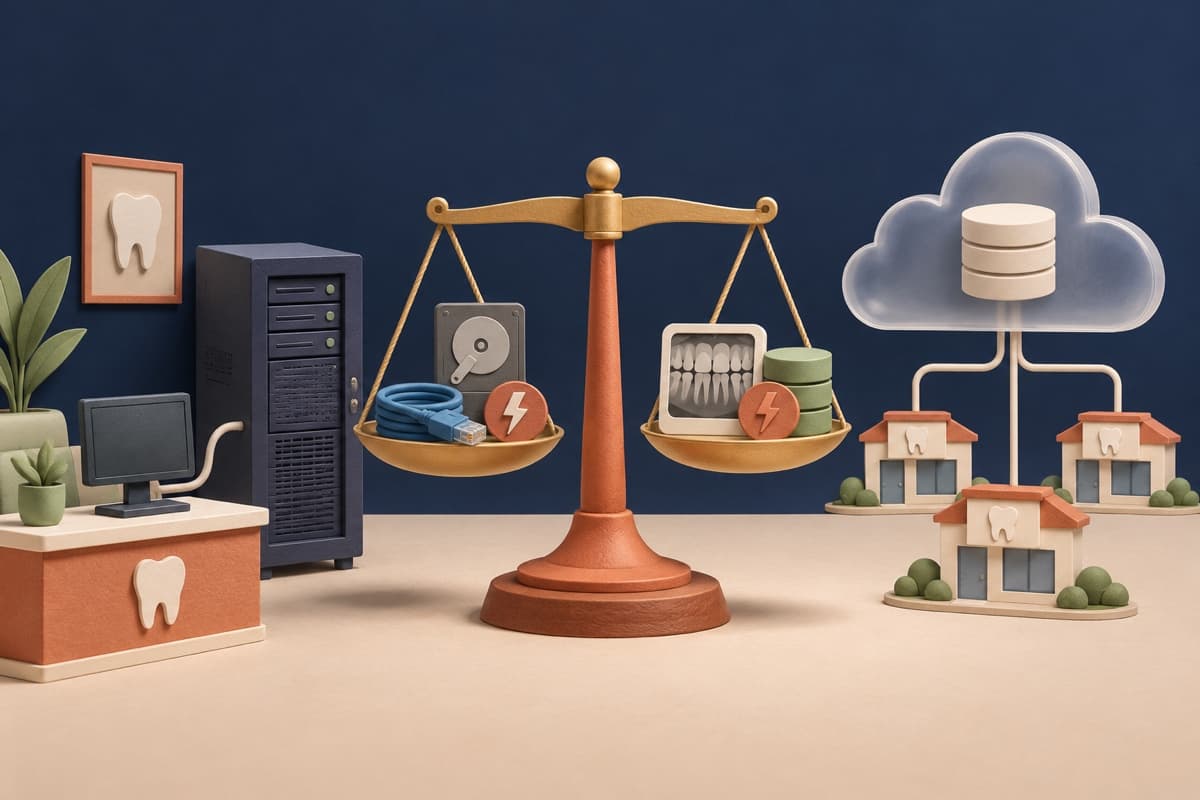
Cloud vs Server-Based Dental Practice Management Software: What Changes?
Compare cloud and server-based dental practice management software by maintenance, outages, remote access, imaging, cost, contracts, and data return.
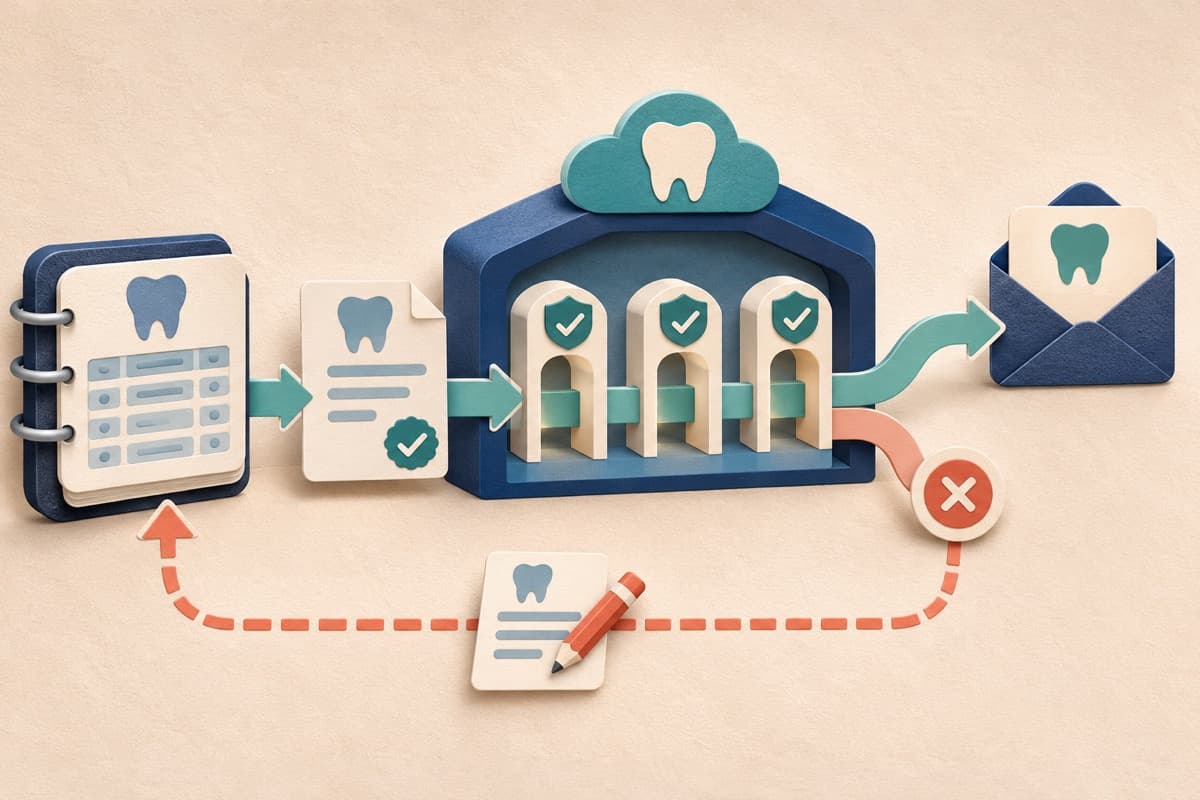
What Is a Dental Clearinghouse? How Claims Reach the Payer
Learn how a dental clearinghouse checks and routes electronic claims, why rejected differs from denied, and what to ask about PMS, attachments, support, and fees.
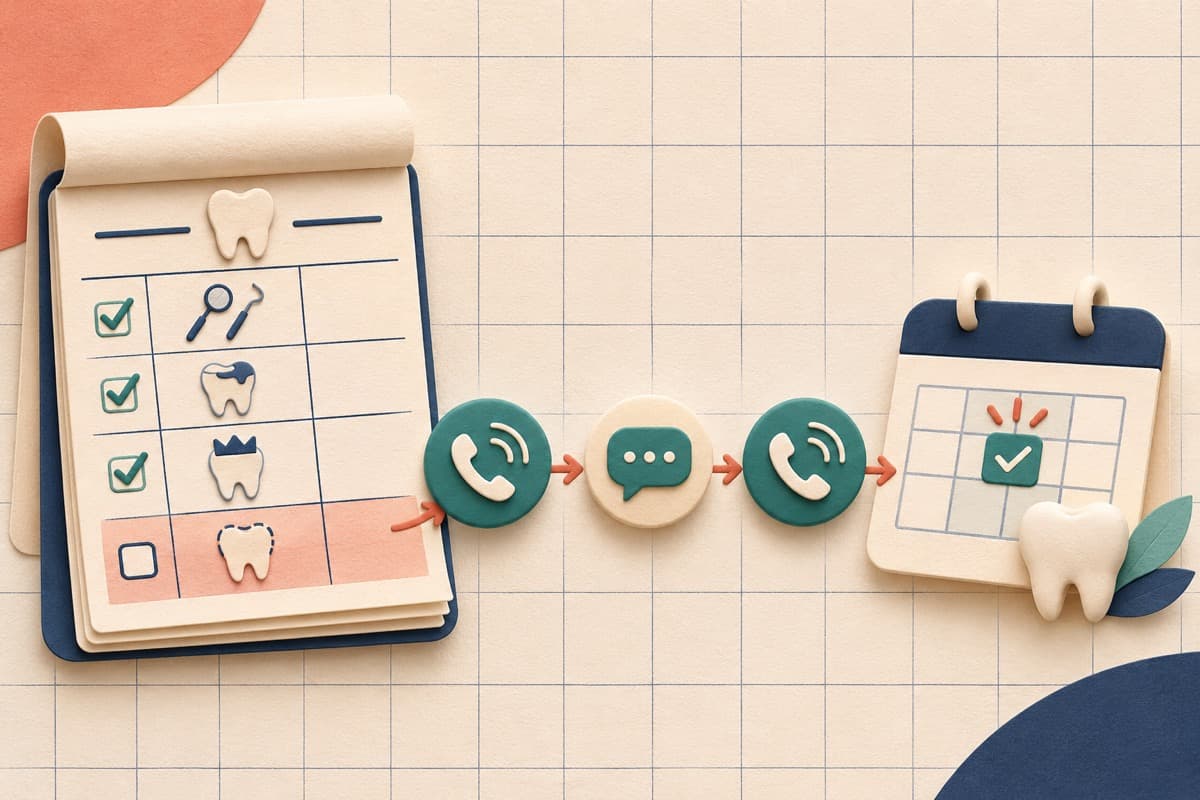
Unscheduled Treatment Follow-Up: Build the Workflow Before the Software
A practical dental workflow for cleaning the unscheduled-treatment list, assigning outreach, recording outcomes, reviewing results, and testing software.
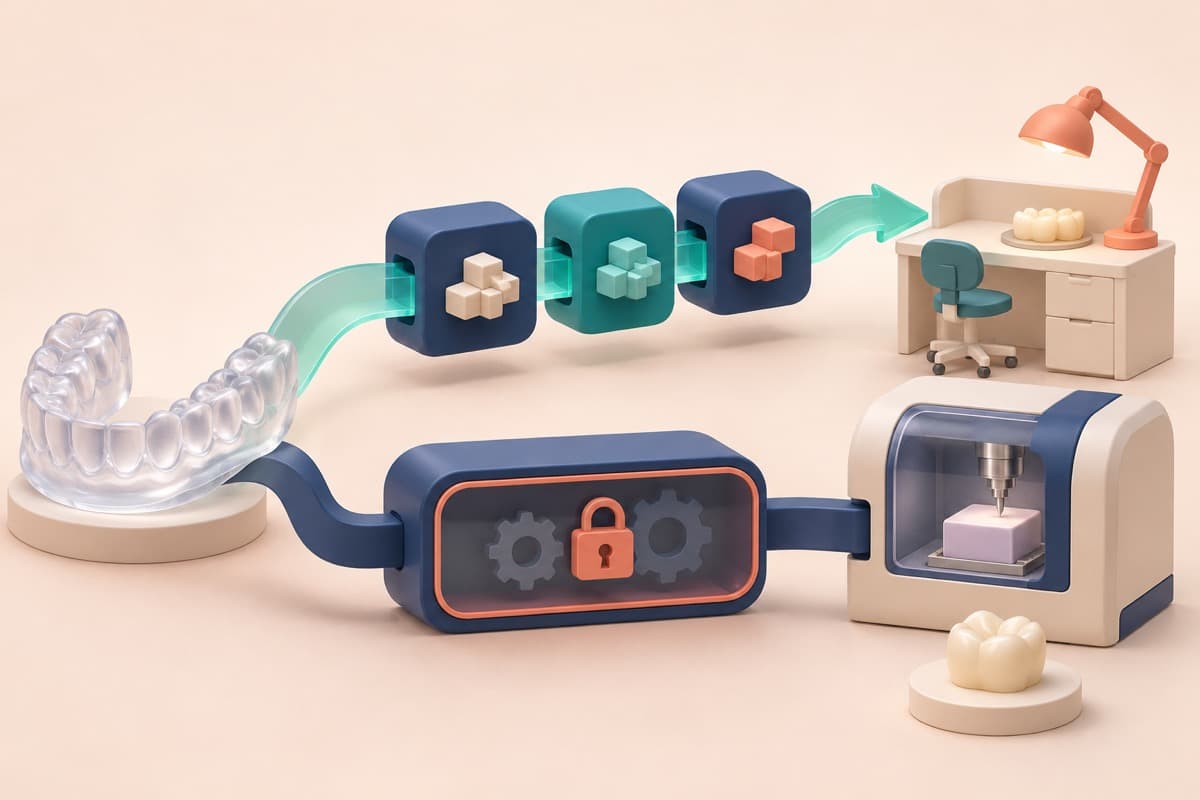
Open vs Closed Dental CAD/CAM: What Data Portability Really Means
Compare dental CAD/CAM workflows by file formats, data preserved, license conditions, lab compatibility, support, and a scanner-first pilot plan.

Secure Email for Dental Practices: What to Check Before Sending PHI
A plain-English checklist for dental practices evaluating email agreements, covered services, access controls, message protection, and staff procedures.

Dental Marketing Attribution: Which Channel Brought the Patient?
A plain-English guide to SEO, paid ads, cookies, pixels, conversions, agency access, privacy, and the limits of connecting campaigns to appointments.
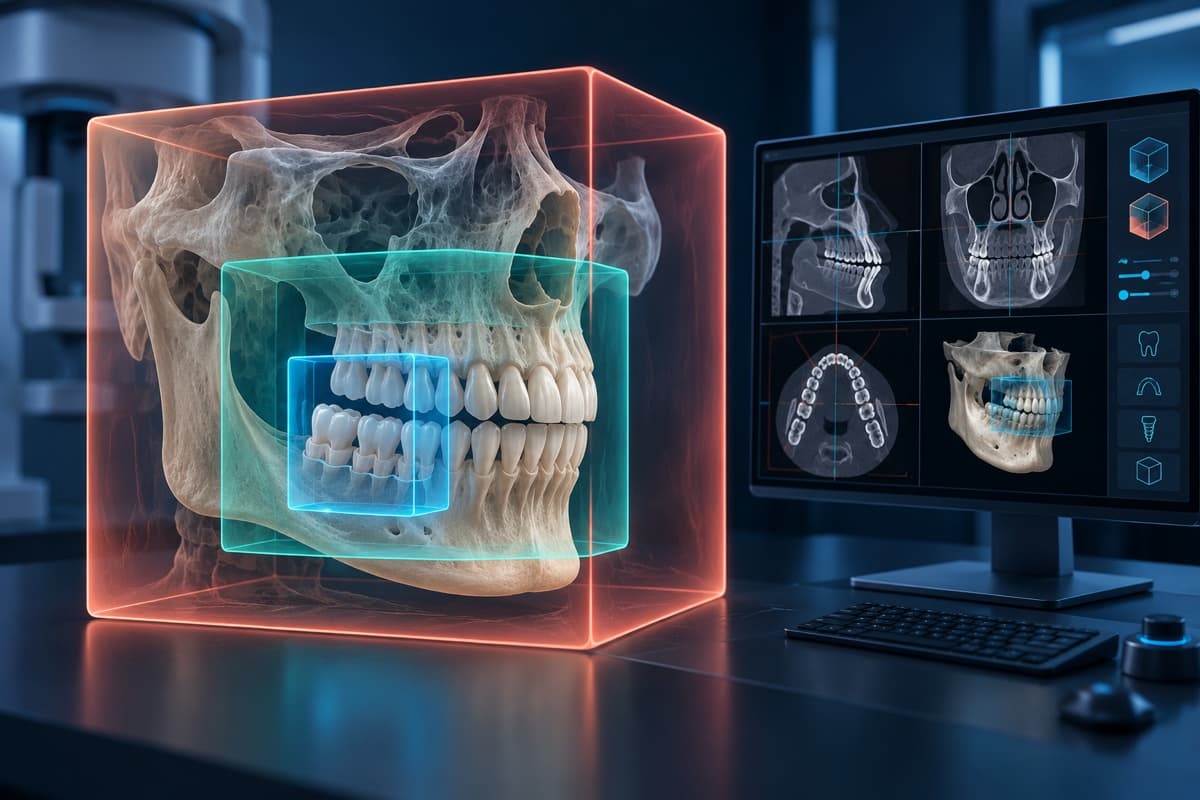
CBCT Field of View: How to Compare Systems for Your Dental Practice
Compare dental CBCT systems by required anatomy, actual acquisition options, patient-specific imaging, planning software, data workflow, and demonstration tasks.
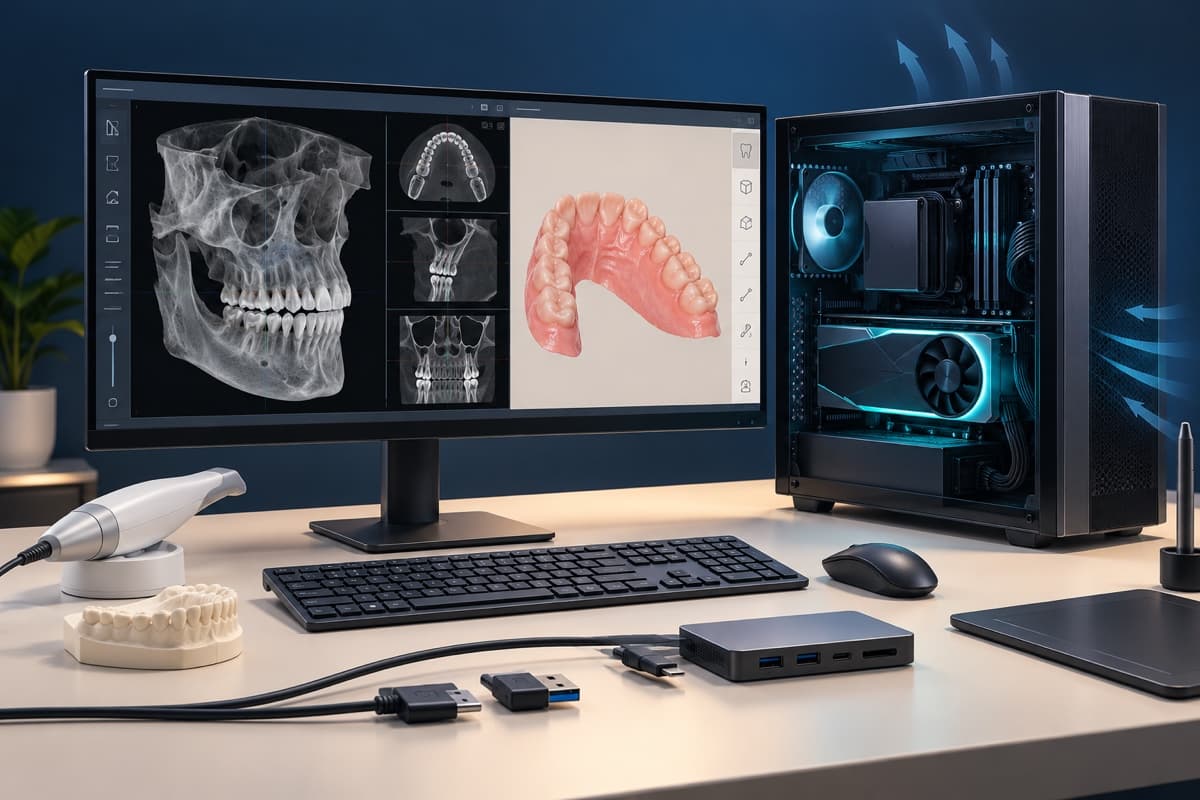
When Does a Dental Office Need a GPU?
Learn when dental scanning and 3D imaging need a GPU, why ports and support matter, and how to choose a task-specific computer without overspending.
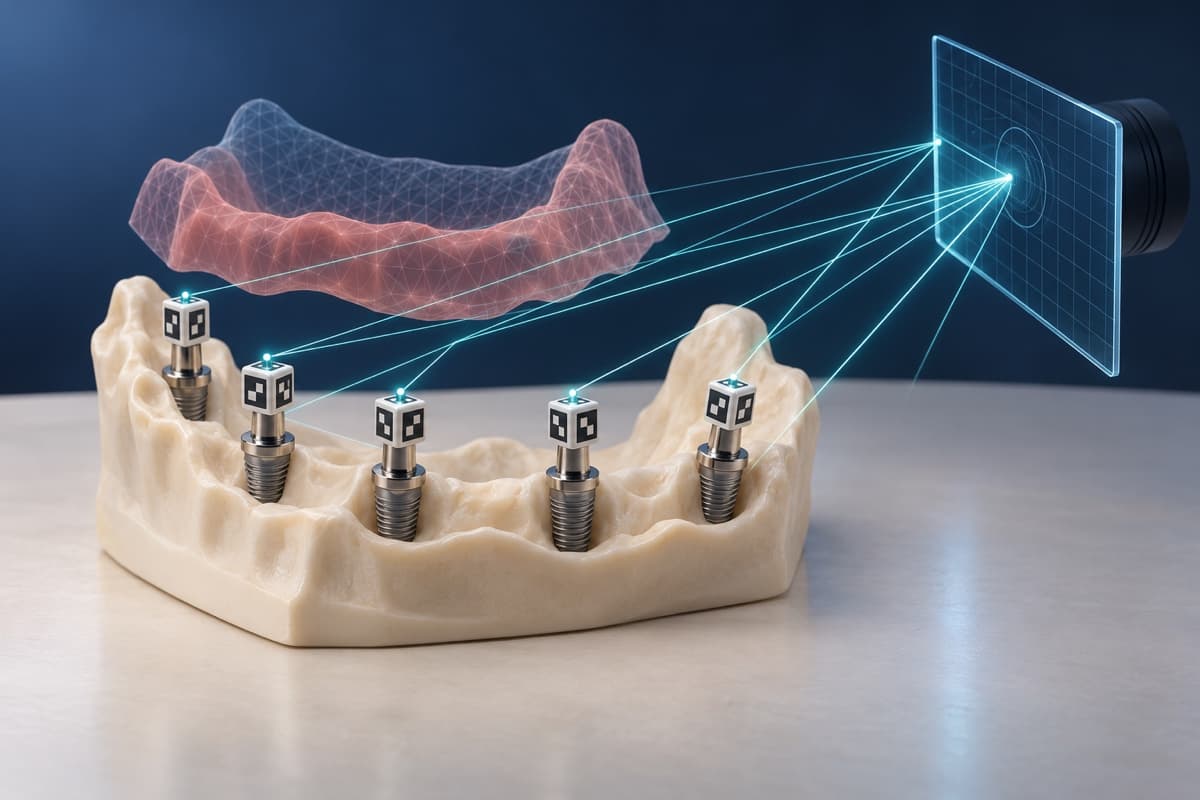
What Is Photogrammetry in Implant Dentistry?
Learn how implant photogrammetry records implant positions, where it differs from intraoral scanning, and what the full restorative workflow still needs.
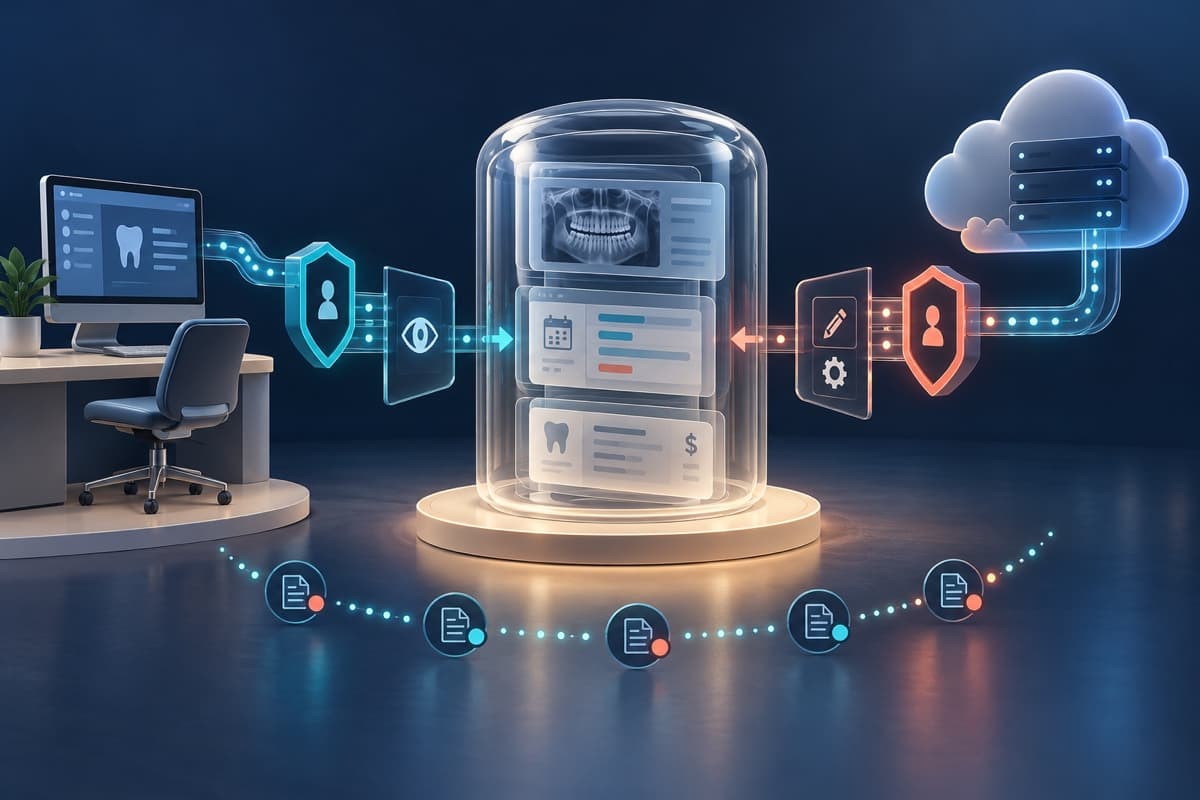
HIPAA and PHI: What Do They Mean for a Dental Practice?
Understand HIPAA and PHI through everyday dental software access, cloud responsibility, permissions, and practical security questions.
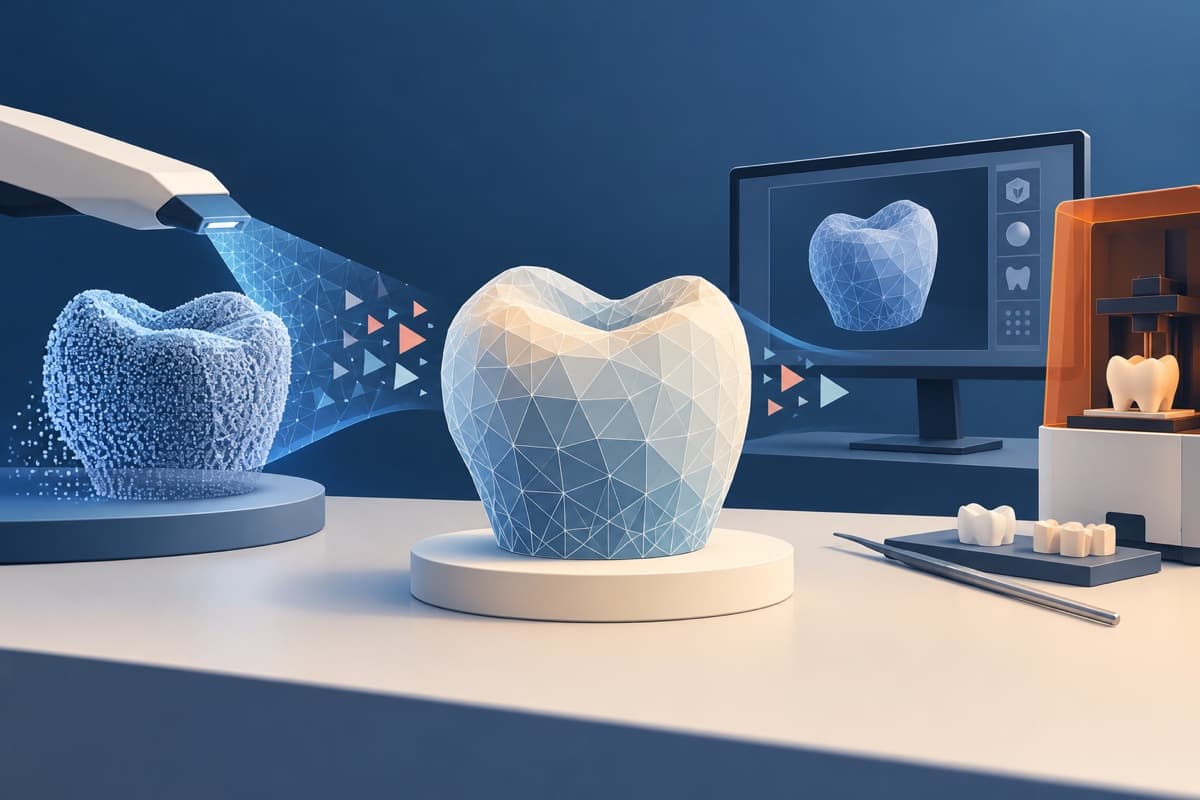
What Is an STL File in Dentistry? Surface Models Explained
Learn what a dental STL file contains, how it differs from DICOM, and what to check before sending a scan to a lab or 3D workflow.
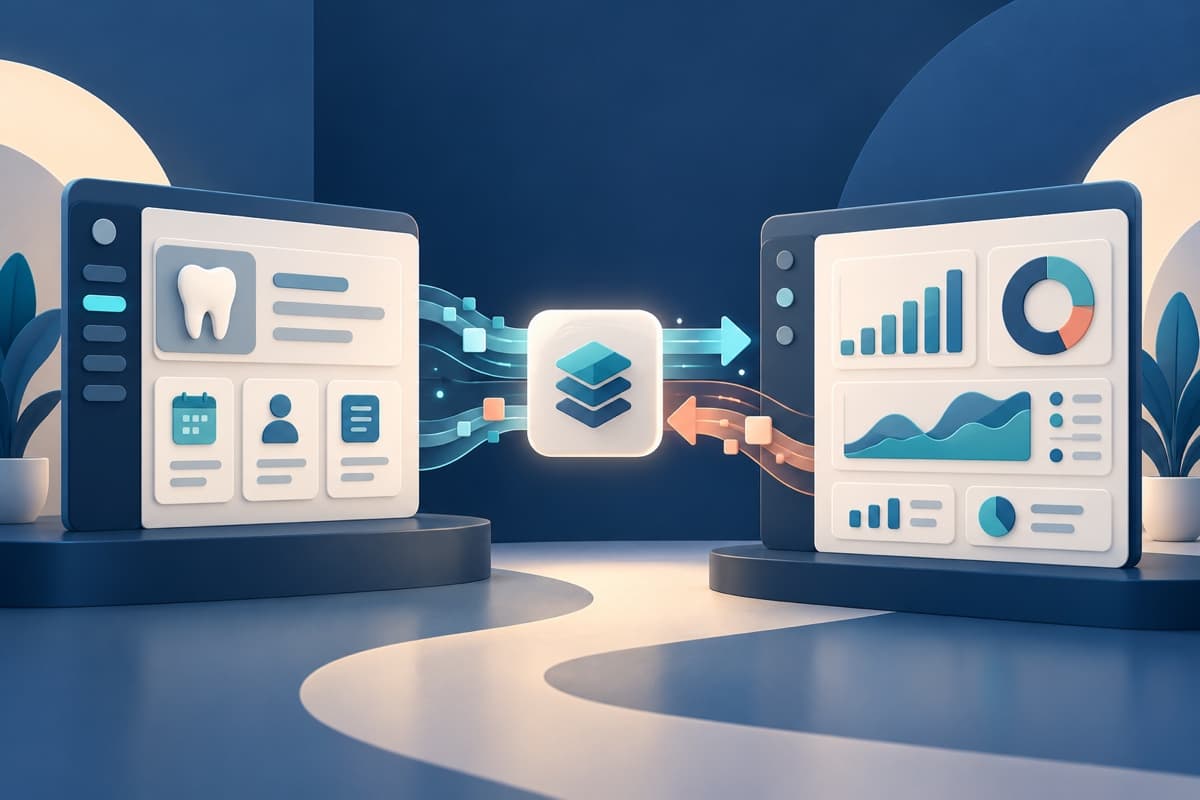
What Is an API in Dental Software? A Plain-English Guide
Learn what an API does in dental software, what an endpoint means, and what to verify before trusting an integration claim.
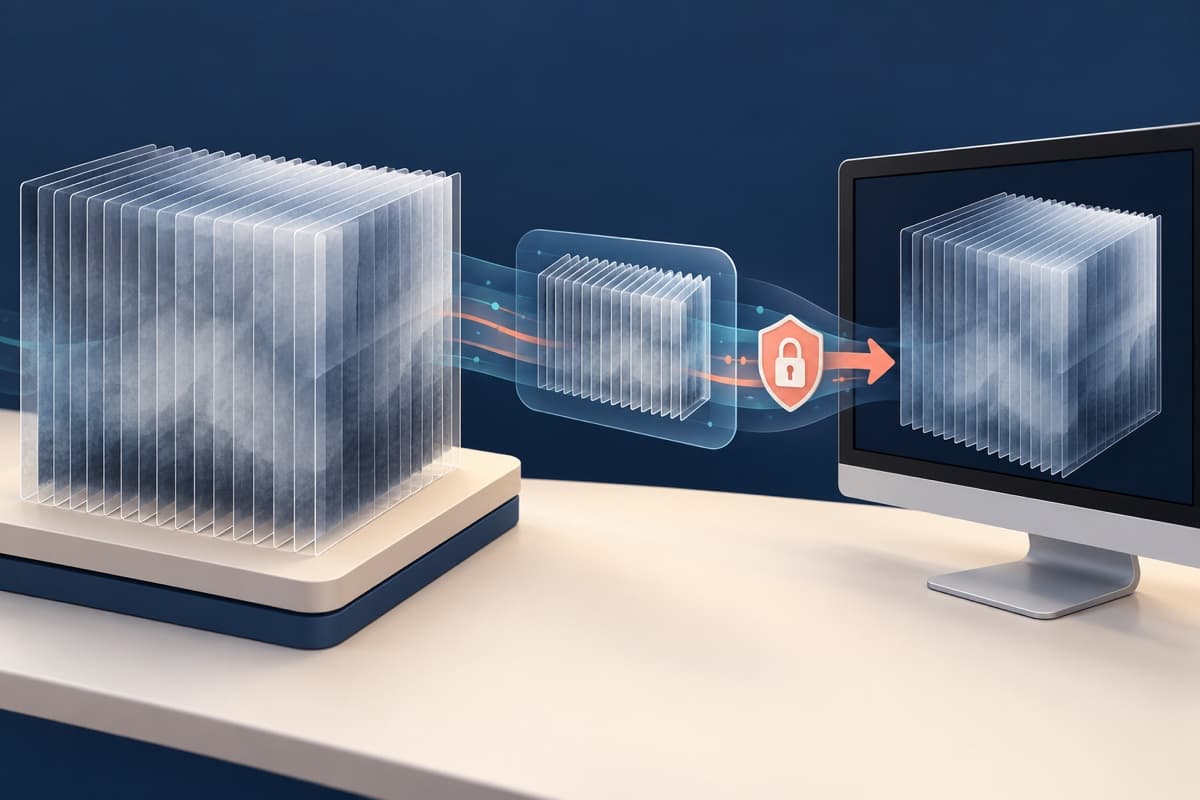
What Is DICOM in Dentistry? How to Share a CBCT Study
Learn what a dental DICOM export contains, how to package a CBCT study, and why ZIP and file size do not prove security or completeness.

Ask Mola. It knows every vendor in this directory — and what fits your software, your size, your setup.
Ask Mola →